German investors remain cautiously optimistic amid challenging landscape

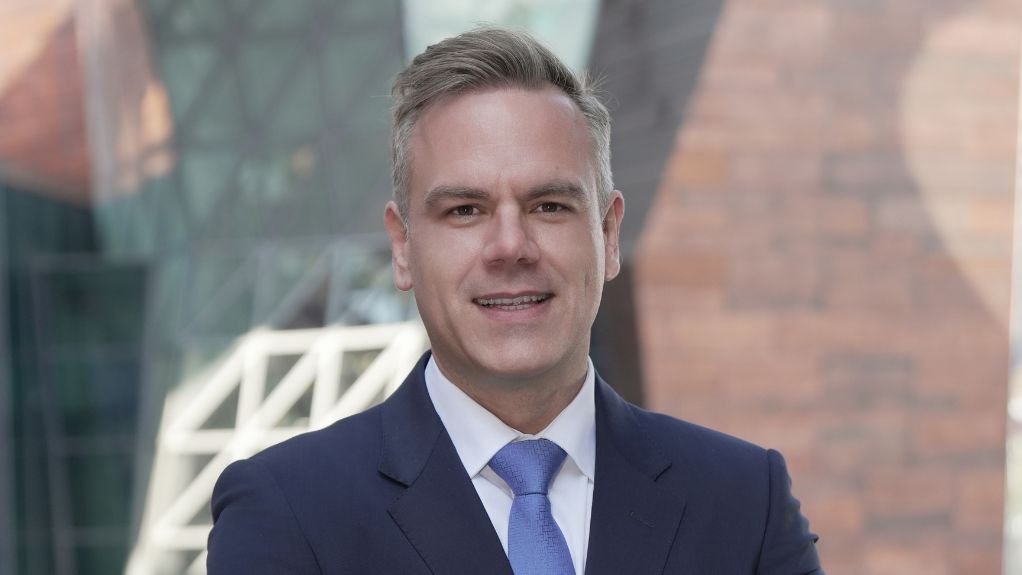
MAXIMILIAN BUTEK Continued presence of German companies in South Africa reflects confidence in the country’s underlying fundamentals


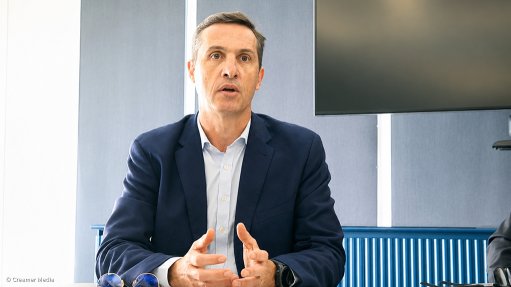
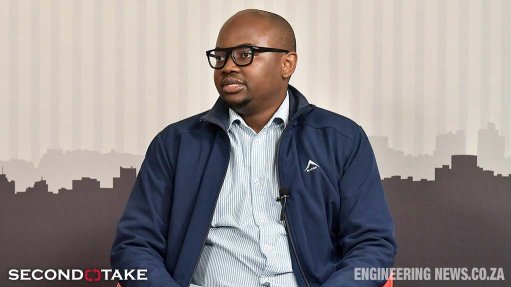
German companies have remained committed to developing a strong South African footprint, despite various structural challenges, and overall investor sentiment among German companies remains cautiously optimistic, says Southern African-German Chamber of Commerce and Industry CEO Maximilian Butek.
Most German investors expect stable or slight growth in revenue from the Southern Africa region over the next 12 months, with South Africa remaining the regional anchor alongside increasing focus on Namibia, Zambia, Zimbabwe and Botswana, particularly in mining, energy, infrastructure and logistics.
German companies consistently reaffirm their long-term commitment to South Africa and the wider region, positioning Southern Africa as a strategic platform while being clear about the reforms needed to unlock greater investment and growth, Butek explains.
Amid various challenges, he explains that the main constraints continue to be policy and regulatory uncertainty, followed by broad-based black economic empowerment (BBBEE) requirements, skills shortages and infrastructure bottlenecks.
As a result, investment appetite remains conservative with companies prioritising investments in maintenance and replacement over expansion.
Given these constraints, Butek asserts that continued presence of German companies in South Africa reflects confidence in the country’s underlying fundamentals, including its industrial capability, institutional framework and strategic position as a gateway to the region, rather than short-term political or economic cycles.
He attributes this continued commitment to companies’ alignment with South Africa’s broader objectives around industrialisation, localisation, job creation and skills development.
Consequently, German companies are adapting to structural challenges, such as energy security, logistics and regulatory uncertainty, rather than retreating. However, Butek notes that adaptation comes at a cost.
Many companies have invested in self-generation energy solutions, alternative logistics routes, enhanced security and water recycling systems to maintain operational continuity.
Nonetheless, challenges in logistics, particularly congestion at the ports of Durban and Cape Town, unreliable rail infrastructure and increasing security risks on roads, have a direct impact on costs, delivery reliability and competitiveness. These challenges severely impact just-in-time manufacturing and perishable goods.
Therefore, while companies remain committed, future investment decisions are increasingly conditional on visible reform momentum.
Practical Transformation
While BBBEE has been one of the most debated aspects of conducting business in South Africa, Butek emphasises that German companies broadly support South Africa’s transformation agenda.
However, there is growing consensus that transformation works best when it prioritises measurable economic impact over formalistic compliance, he says.
Butek points out that the current framework rewards short-term compliance rather than long-term investment. As a result, local manufacturers carry higher costs while their contribution to jobs, skills transfer and industrialisation is not sufficiently recognised.
Further, he argues that frameworks that become administratively burdensome risk fragmenting supply chains and weakening the very ecosystems they seek to build.
He suggests a more sustainable transformation that is measured by lasting economic capability.
“Placing greater weight on localisation, manufacturing investment and integration into global value chains alongside clearer guidance and policy stability would significantly improve transformation outcomes and incentivise investment,” Butek states.
Meanwhile, to drive practical implementation, the chamber facilitates structured, issue-driven engagement between German business and government. These discussions focus on shaping conditions for long-term investment and raising concerns around implementation challenges early to reduce compliance friction and improve regulatory coherence.
A recent example is the chamber’s engagement with the Department of Trade, Industry and Competition in April, where German companies shared first-hand experience of navigating South Africa’s transformation framework and the potential impact of proposed changes.
“For the chamber, sustained engagement of this kind is about managing regulatory risk and ensuring that policy evolution reflects the operational realities of companies investing and creating jobs in South Africa,” Butek concludes.
Article Enquiry
Email Article
Save Article
Feedback
To advertise email advertising@creamermedia.co.za or click here
Research Reports

Projects


Latest Multimedia

Latest News

Showroom
Complete range of security sealing solutions including security seals bags and labels.
VISIT SHOWROOM

Press Office
Announcements
What's On
Subscribe to improve your user experience...
Option 1 (equivalent of R125 a month):
Receive a weekly copy of Creamer Media's Engineering News & Mining Weekly magazine
(print copy for those in South Africa and e-magazine for those outside of South Africa)
Receive daily email newsletters
Access to full search results
Access archive of magazine back copies
Access to Projects in Progress
Access to ONE Research Report of your choice in PDF format
Option 2 (equivalent of R375 a month):
All benefits from Option 1
PLUS
Access to Creamer Media's Research Channel Africa for ALL Research Reports, in PDF format, on various industrial and mining sectors
including Electricity; Water; Energy Transition; Hydrogen; Roads, Rail and Ports; Coal; Gold; Platinum; Battery Metals; etc.
Already a subscriber?
Forgotten your password?
Receive weekly copy of Creamer Media's Engineering News & Mining Weekly magazine (print copy for those in South Africa and e-magazine for those outside of South Africa)
➕
Recieve daily email newsletters
➕
Access to full search results
➕
Access archive of magazine back copies
➕
Access to Projects in Progress
➕
Access to ONE Research Report of your choice in PDF format
RESEARCH CHANNEL AFRICA
R4500 (equivalent of R375 a month)
SUBSCRIBEAll benefits from Option 1
➕
Access to Creamer Media's Research Channel Africa for ALL Research Reports on various industrial and mining sectors, in PDF format, including on:
Electricity
➕
Water
➕
Energy Transition
➕
Hydrogen
➕
Roads, Rail and Ports
➕
Coal
➕
Gold
➕
Platinum
➕
Battery Metals
➕
etc.
Receive all benefits from Option 1 or Option 2 delivered to numerous people at your company
➕
Multiple User names and Passwords for simultaneous log-ins
➕
Intranet integration access to all in your organisation